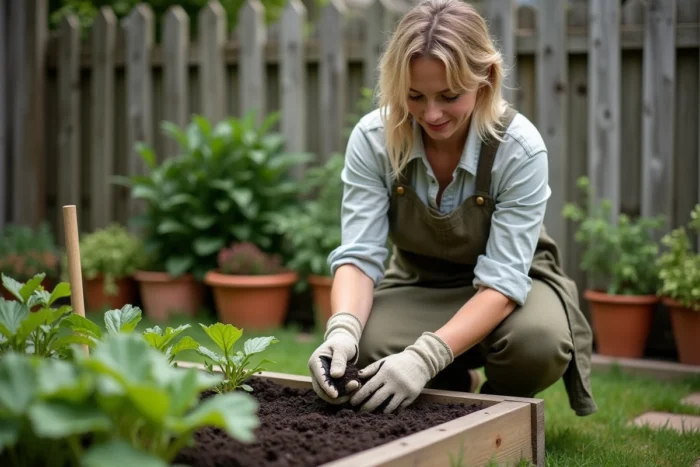
Gardening all year round relies less on the accumulation of actions than on their timing. Between a poorly timed spring sowing and an autumn mulching done too late, the yield gap in the vegetable garden can be surprising. Comparing practices season by season allows you to identify where to focus your efforts for a productive garden without wasting water or energy.
Seasonal Calendar for the Vegetable Garden: When Every Action Counts
Most gardening failures stem from a mismatch between the action and the timing. Sowing tomatoes in March without frost protection, or pruning a rose bush in the middle of sap flow, produces the opposite of the expected result. The table below summarizes the priorities for each season in a temperate climate vegetable garden.
| Season | Priority Actions | What to Avoid |
|---|---|---|
| Spring | Seed sowing in pots (tomatoes, zucchinis), soil amendment with compost, early weeding | Planting in the ground before the last frost, forcing seedlings without sufficient light |
| Summer | Thick mulching, evening watering at the base, regular harvesting to stimulate production | Watering in full sun, mowing the lawn too short (encourages weeds) |
| Autumn | Sowing green manures (mustard, phacelia), planting bulbs, cleaning plots | Leaving the soil bare all winter, neglecting to cover the growing beds |
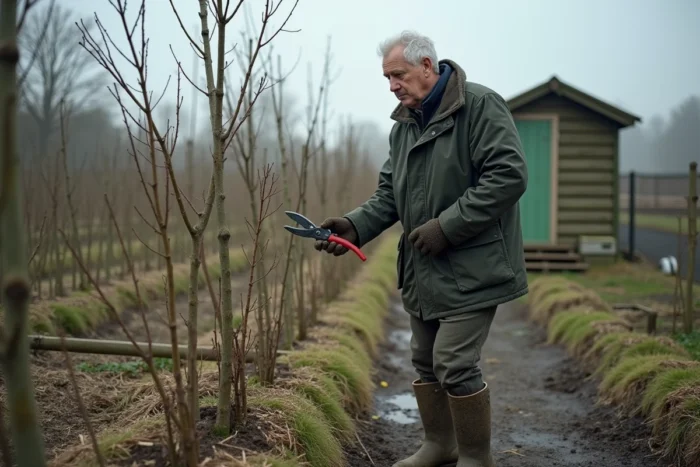
| Winter | Planning rotations, maintaining tools, pruning deciduous fruit trees | Pruning in freezing weather, turning over waterlogged soil |
What stands out from this breakdown is that each season has a structuring action and a common mistake associated with it. Autumn, for example, remains underutilized by most amateur gardeners who view the season as merely a tidying phase.
Specialized resources like infojardinage.com detail sowing and planting calendars suited to each region, which prevents reliance solely on the generic indications on seed packets.
Living Soil and Compost: The Variable That Gardeners Underestimate
A fertile soil is not just about its color or apparent texture. The biological life of the soil directly affects plant health, their resistance to diseases, and their ability to absorb water. Compacted or depleted soil from years of cultivation without organic restitution becomes a hindrance that neither watering nor fertilizers can sustainably compensate for.
Homemade compost remains the most accessible lever. It transforms kitchen and garden waste into an amendment that nourishes both soil microorganisms and plant roots.
Compost versus Commercial Fertilizers
A chemical fertilizer provides targeted nutrients (nitrogen, phosphorus, potassium), but it does nothing for soil structure. Compost, on the other hand, simultaneously improves drainage, water retention, and microbial activity.
- Mature compost is incorporated on the surface in spring or autumn, without deep turning that would break mycorrhizal networks
- A fertilizer applied at the wrong time (nitrogen in autumn, for example) stimulates fragile vegetative growth just before winter
- Green manures sown in late summer (phacelia, clover, mustard) produce biomass that, once mowed, plays the same protective role as mulching while fixing atmospheric nitrogen in the soil
The Res0Pest study, conducted at nine experimental sites in nine French regions over ten years, showed that growing without synthetic plant protection products is viable. This result validates the approach of biologically nourishing soil rather than treating it chemically.
Reasoned Watering: Less Water, More Results
Daily watering is the most common and counterproductive reflex in the garden. Frequent and superficial watering keeps roots near the surface, making plants dependent and vulnerable to the slightest drought episode.
Deep and spaced watering forces roots to go down in search of moisture. In practice, two to three generous waterings per week are sufficient for most vegetables in summer, provided that the base of the plants is generously mulched.
Mulching and Water Retention in the Soil
Mulching acts as a thermal and moisture regulator. A sufficiently thick layer of straw, dead leaves, or wood chips reduces evaporation, limits soil compaction from rain, and slows weed germination.
In summer, during heat waves, mulching combined with evening watering at the base allows you to significantly reduce water consumption compared to a bare soil watered in the morning. The difference is visually measurable: a mulched soil remains cool to the touch in the middle of the day, while an exposed soil can exceed ambient temperature.
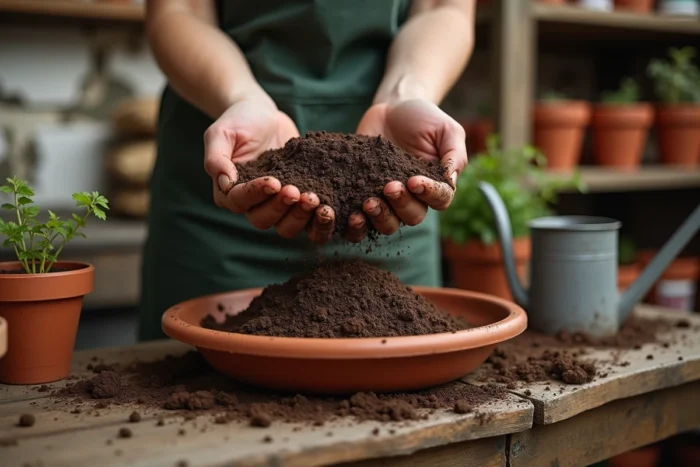
Biodiversity in the Garden: Pollinators and Succession of Blooming
Gardens, including in urban areas, serve as refuges for pollinators that can be as rich as some rural areas impoverished by monoculture. This reality changes the way we conceive plantings: a productive garden all year round must offer continuous floral resources, from crocuses in February to asters in October.
Aromatic plants (lavender, thyme, sage, rosemary) serve a dual role. They attract pollinators and provide protection to neighboring crops by disrupting pests with their volatile compounds.
- In spring, fruit trees and early bulbs provide the first resources for solitary bees
- In summer, aromatics, squash, and sunflowers take over
- In autumn, ivy and asters extend the season for the last foragers before winter
- Leaving a few unmowed areas with wildflowers creates biodiversity corridors even in a small garden
A diverse garden naturally reduces pest pressure, because it also attracts beneficials: ladybugs, lacewings, hoverflies. This approach aligns with the logic of pesticide-free gardening, the feasibility of which has been documented over the long term in real conditions.
Gardening all year round does not require more time, but rather better-distributed time. Gardeners who plan their rotations in winter, cover their soil in autumn, and water less often but more deeply in summer achieve more consistent results with fewer interventions. The key lies in the soil: a living and covered soil works for you between visits to the garden.