
Activated charcoal is found everywhere: capsules in pharmacies, black toothpastes, “detox” smoothies on social media. This black powder, obtained by intense heating of plant material (wood, coconut shells, bamboo), has an ultra-porous structure that allows it to capture certain substances at the digestive level. However, the gap between marketing promises and physiological reality can sometimes be wide.
Adsorption of activated charcoal: a mechanism often misunderstood
Have you ever seen a sponge soak up water on a countertop? Activated charcoal works on a comparable principle, but at the molecular level. Its surface, made extremely porous by thermal activation, captures molecules by adsorption and not by absorption. Substances attach to the surface of the charcoal without penetrating its structure.
This property explains why activated charcoal is used in hospitals during certain acute poisonings: administered quickly after the ingestion of a toxin, it can limit the passage of the substance into the bloodstream. In emergency medicine, its effectiveness is documented and recognized.
The problem is that this adsorption capacity is not selective. Charcoal does not differentiate between a toxin, a medication, and a nutrient. As it passes through the digestive tract, it captures whatever is in its path, including elements your body needs. Better understanding the dangers of activated charcoal for health can help avoid dosage or timing errors, especially regarding ongoing medication treatments.
Activated charcoal and bloating: the only truly supported benefit
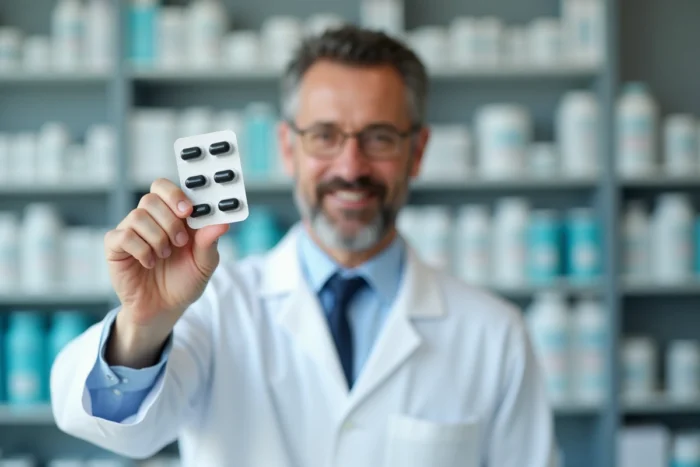
Setting aside hospital use in cases of poisoning, the main benefit of activated charcoal relates to digestive comfort, particularly intestinal gas. Several dietary supplement manufacturers rely on this observation to offer treatments in capsules or powder.
Specifically, activated charcoal adsorbs some of the gases produced during intestinal fermentation. People prone to bloating after meals may experience temporary relief. This benefit is real but limited in duration and scope.
What activated charcoal does not treat
Chronic bloating often has an underlying cause: microbiome imbalance, food intolerances, functional disorders. Activated charcoal acts on the symptom (gas), not on the root of the problem. A course of charcoal does not replace a digestive diagnosis if symptoms persist.
Occasional use, over a few days, remains the most reasonable form. Beyond that, the risks begin to outweigh the benefits.
Detox courses with activated charcoal: why health authorities are warning
Black smoothies, “detox charcoal” courses over several weeks, and daily supplements are increasingly subject to clear warnings. According to several recent medical sources, no randomized clinical trial demonstrates a “detox” effect of activated charcoal in a healthy person.
The human body already has its own detoxification organs: the liver and kidneys. Activated charcoal does not “help” them. However, taken over a prolonged period, it can cause concrete adverse effects:
- Reduced absorption of medications (oral contraceptives, antiepileptics, antidepressants), sometimes with serious consequences if the treatment loses effectiveness
- Nutrition deficiencies related to the adsorption of vitamins and minerals, especially when taken with meals
- Disruption of the intestinal microbiome with repeated use, which can worsen the digestive issues that the treatment claims to resolve
The paradox is clear: a prolonged course of activated charcoal can degrade the intestinal health it is supposed to improve.
Activated charcoal for skin and teeth: promises to be nuanced
Beyond the digestive sphere, activated charcoal has established itself in cosmetics and oral hygiene products. Purifying masks, cleansers, toothpastes: the black powder has become a selling point.
Face care with activated charcoal
Applied as a mask, activated charcoal can help unclog pores by capturing sebum and surface impurities. Oily or combination skin is most likely to benefit. On dry or sensitive skin, the drying effect can cause irritation.
A charcoal mask once a week remains a moderate use. Applying it daily weakens the skin barrier.
Teeth whitening with charcoal
Activated charcoal is abrasive. Used on enamel, it can give an impression of whiteness by removing surface deposits. However, this abrasion wears down the enamel over time, which can make teeth more sensitive and more vulnerable to stains in the long run. Dentists recommend caution, even advising against this use.
Activated charcoal and medications: the timing to respect
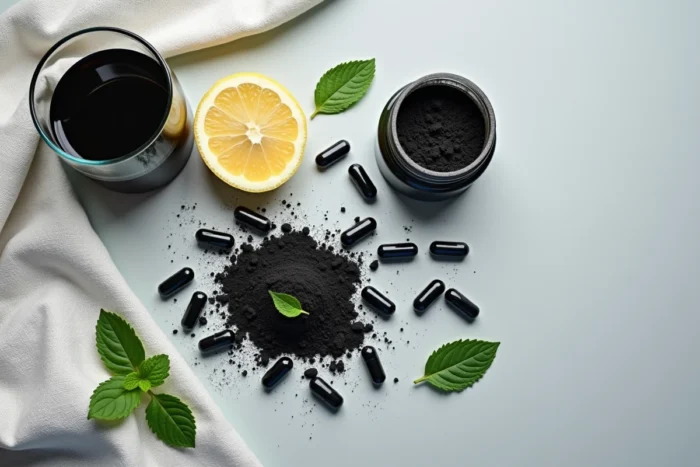
This is probably the most underestimated point by consumers. Activated charcoal taken at the same time as a medication can significantly reduce the effectiveness of the latter. The contraceptive pill is the most cited example, but the list is long.
Are you following a daily treatment? The basic rule is to allow at least two hours between taking charcoal and taking a medication. Some sources even recommend a wider interval for treatments with a narrow therapeutic margin (antiepileptics, anticoagulants).
In case of doubt, the only reliable course of action is to consult your doctor or pharmacist before incorporating activated charcoal into your routine. It is not a harmless product just because it is plant-based.
Activated charcoal remains a useful tool in specific situations: temporary digestive discomfort, occasional purifying mask, emergency treatment in a hospital setting. Outside of these contexts, the benefits diminish and the risks increase. Occasional and spaced use, with a strict delay regarding medications, constitutes the only reasonable approach for the majority of users.